

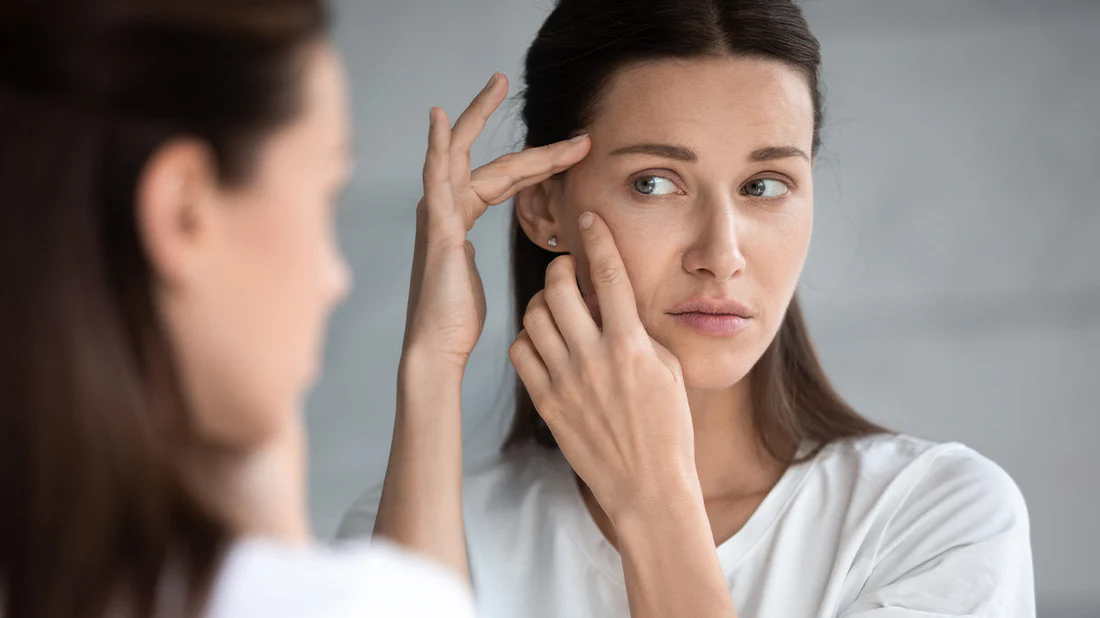
Choosing the right skincare products starts with one essential step: understanding your skin type. Many people misidentify their skin, which leads to ineffective routines and unnecessary irritation. Skin type is largely determined by genetics, but factors like climate, hormones, and age can influence its behavior.
Correct identification helps you select products that support balance rather than disrupt it.
The Five Main Skin Types
Most people fall into one of these categories:
1. Normal Skin
- Balanced oil production
- Smooth texture
- Minimal breakouts
- Rare sensitivity
Normal skin requires maintenance rather than correction.
2. Oily Skin
- Excess shine, especially in the T-zone
- Enlarged pores
- Frequent breakouts
- Makeup may slide off quickly
Oily skin produces more sebum than necessary.
3. Dry Skin
- Tightness after cleansing
- Flaking or rough patches
- Dull appearance
- Increased fine lines
Dry skin lacks adequate moisture and natural oils.
4. Combination Skin
- Oily T-zone (forehead, nose, chin)
- Dry or normal cheeks
- Mixed texture across the face
This type requires balanced care.
5. Sensitive Skin
- Redness
- Burning or stinging sensations
- Reactivity to new products
- Possible itching
Sensitive skin may overlap with other skin types.
How to Test Your Skin Type at Home
A simple at-home method can help you identify your type accurately.
Step 1: Cleanse Your Face
Use a gentle cleanser and pat your skin dry. Do not apply any products afterward.
Step 2: Wait 30–60 Minutes
Allow your skin to return to its natural state without interference.
Step 3: Observe Carefully
- If your face feels tight or looks flaky → likely dry skin
- If shine appears across most areas → likely oily skin
- If only the T-zone becomes shiny → likely combination skin
- If skin feels comfortable and balanced → likely normal skin
- If redness or irritation develops easily → possibly sensitive skin
Blotting paper can also help detect oil levels.
Factors That Can Confuse Your Skin Type
Certain conditions may temporarily alter your skin’s behavior.
Common influences include:
- Seasonal weather changes
- Hormonal fluctuations
- Overuse of harsh products
- Dehydration
- Sun exposure
Temporary dryness or oiliness does not always mean your core skin type has changed.
Skin Type vs. Skin Condition
Skin type remains relatively consistent, but skin conditions can vary.
Examples of conditions include:
- Acne
- Dehydration
- Hyperpigmentation
- Rosacea
For example, oily skin can still be dehydrated. Understanding this distinction prevents incorrect product choices.
Why Identifying Skin Type Matters
Using the wrong products can disrupt your skin barrier.
- Heavy creams on oily skin may clog pores
- Strong exfoliants on sensitive skin may cause irritation
- Lightweight gels on dry skin may not provide enough moisture
Proper identification improves results and reduces trial-and-error.
Adjusting Your Routine Based on Skin Type



For Oily Skin:
- Use lightweight, oil-free moisturizers
- Choose non-comedogenic products
- Avoid over-cleansing
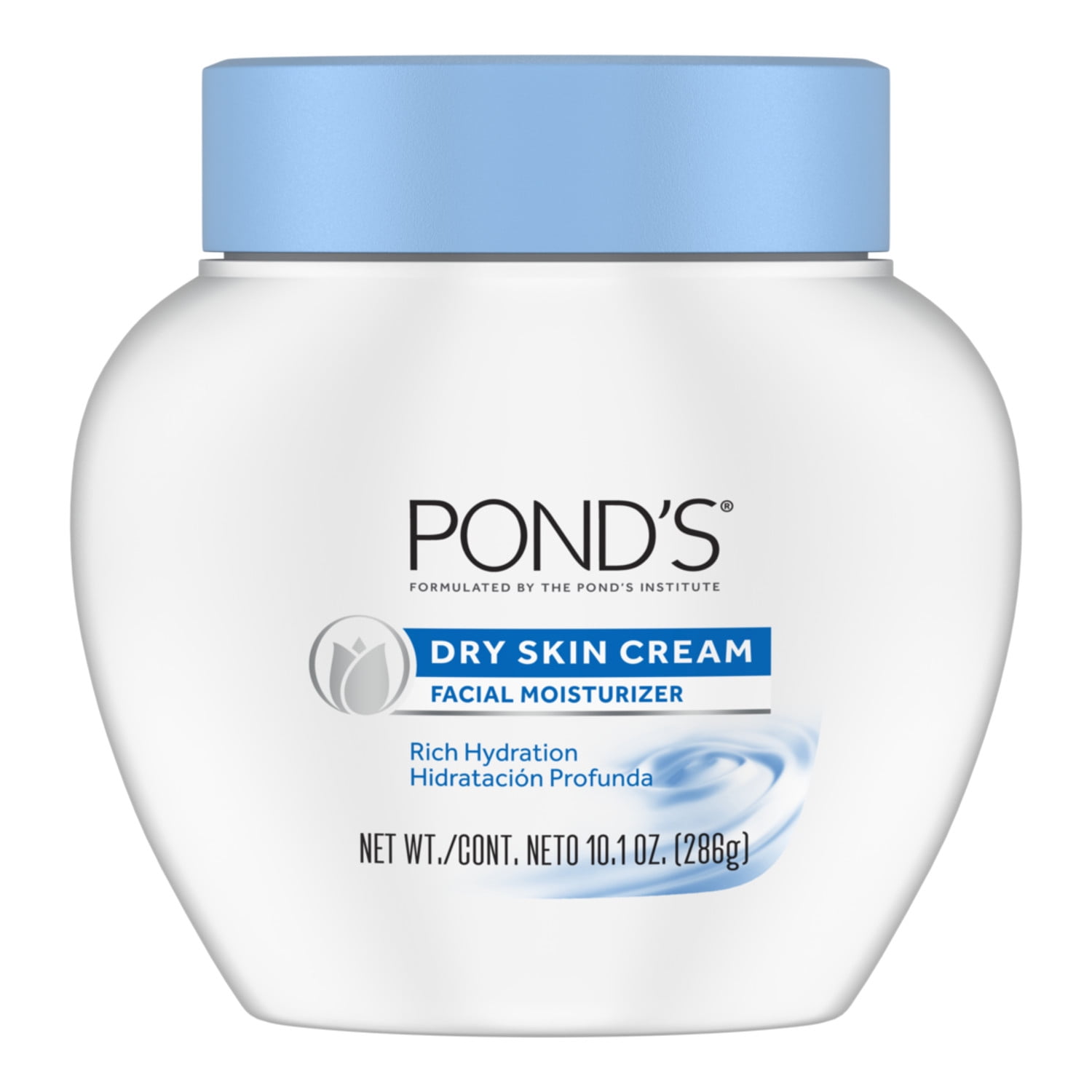
For Dry Skin:
- Use richer creams
- Include hydrating ingredients like hyaluronic acid
- Avoid alcohol-based products
For Combination Skin:
- Use targeted products for different areas
- Balance hydration without heaviness
For Sensitive Skin:
- Choose fragrance-free formulas
- Patch test new products
- Limit active ingredients initially
Customized care ensures better long-term results.
Frequently Asked Questions (FAQ)
1. Can my skin type change over time?
Yes. Hormonal shifts, aging, and environmental factors can influence oil production and sensitivity.
2. How often should I reassess my skin type?
Reevaluate seasonally or when you notice consistent changes in texture or oil levels.
3. Is oily skin the same as acne-prone skin?
Not necessarily. Oily skin increases the likelihood of breakouts, but acne involves additional factors like bacteria and inflammation.
4. Can dry skin still get acne?
Yes. Dry skin can experience breakouts, especially if the skin barrier is compromised.
5. Should I consult a dermatologist to confirm my skin type?
If you experience persistent irritation, acne, or unclear symptoms, professional evaluation can provide clarity.
6. Does age affect skin type?
Oil production often decreases with age, which may lead to drier skin over time.
7. What is the difference between dry and dehydrated skin?
Dry skin lacks oil, while dehydrated skin lacks water. Dehydration can affect any skin type, including oily skin.
Identifying your skin type accurately creates the foundation for effective skincare. With careful observation and consistent evaluation, you can build a routine that supports balance, protects the skin barrier, and delivers long-term results.

Comments are closed.