

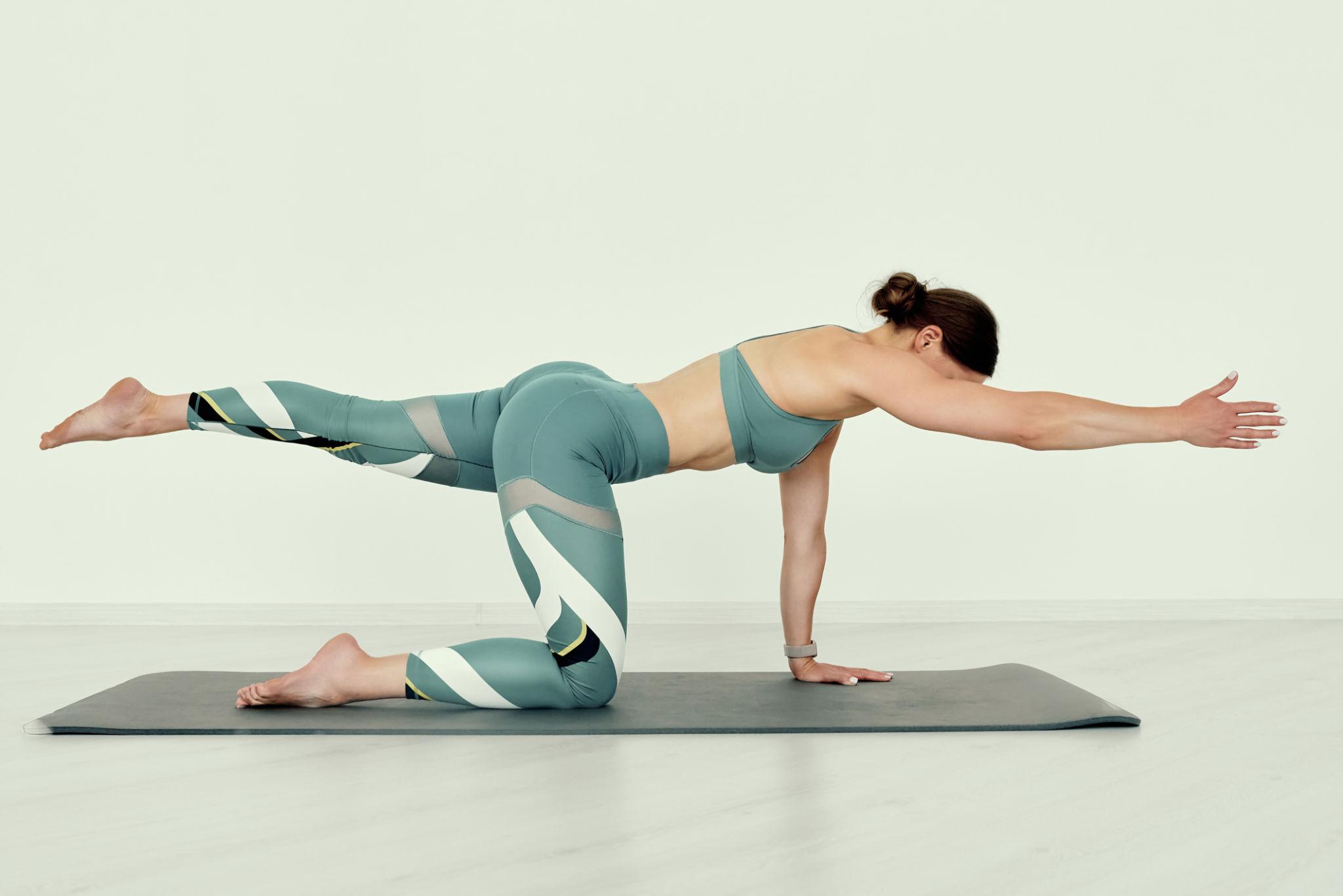
Functional fitness focuses on training movements rather than isolating muscles. Instead of working the body in artificial patterns, it strengthens the way you naturally move—lifting, bending, pushing, pulling, rotating, and walking. The goal is simple: build strength that makes daily life easier and reduces injury risk.
Unlike aesthetic-driven routines, functional training prioritizes performance, stability, and coordination.
What Is Functional Fitness?
Functional fitness mimics real-world activities. Every exercise trains multiple muscle groups to work together efficiently.
Examples of functional movements include:
- Squatting to pick up objects
- Carrying heavy bags
- Reaching overhead
- Rotating your torso
- Pushing doors or pulling objects
Training these patterns improves coordination and balance while strengthening connective tissues.
Why Functional Strength Matters
Modern lifestyles often involve prolonged sitting, repetitive motions, and limited mobility. Over time, this can weaken stabilizing muscles and increase the risk of strains.
Benefits of functional training:
- Improved balance and posture
- Better joint stability
- Increased core strength
- Reduced risk of everyday injuries
- Enhanced athletic performance
It prepares your body for unpredictable demands, whether lifting furniture or playing with children.
Core Movement Patterns to Master
A well-rounded functional routine centers around foundational patterns.
1. Squat
Builds lower-body strength and supports knee and hip stability. Variations include bodyweight squats, goblet squats, and split squats.
2. Hinge
The hip hinge pattern, such as deadlifts, strengthens the posterior chain—glutes, hamstrings, and lower back.
3. Push
Push-ups and overhead presses develop upper-body strength and shoulder stability.
4. Pull
Rows and pull-ups balance pushing movements and strengthen the upper back.
5. Carry
Farmer’s carries improve grip strength, core engagement, and posture.
6. Rotate
Rotational movements, like medicine ball throws, train the torso for dynamic activities.
The Role of Core Stability
Core strength in functional fitness goes beyond visible abdominal muscles. It refers to the deep stabilizing muscles that protect the spine.
Effective core exercises include:
- Planks
- Side planks
- Bird-dog movements
- Anti-rotation holds
A strong core enhances posture and reduces back pain during daily activities.
Functional Fitness vs. Traditional Training
Traditional gym programs often isolate individual muscles using machines. While effective for muscle growth, they may not translate directly to real-life movements.
Functional fitness:
- Uses free weights or bodyweight
- Emphasizes balance and coordination
- Trains multiple joints simultaneously
- Engages stabilizer muscles
Both approaches can complement each other, but functional training builds adaptable strength.
How to Start Functional Training
You don’t need advanced equipment. Beginners can start with:
- Bodyweight exercises
- Resistance bands
- Dumbbells or kettlebells
- Stability balls
Sample Beginner Routine
- 3 sets of bodyweight squats
- 3 sets of push-ups
- 3 sets of bent-over rows
- 30-second plank hold
- 30-meter farmer’s carry
Perform this routine 2–3 times per week, focusing on controlled movement and proper form.
Avoiding Common Mistakes
Even functional fitness requires attention to detail.
Avoid:
- Rushing through repetitions
- Using excessive weight too soon
- Ignoring mobility work
- Skipping recovery days
Quality movement ensures lasting results.
Long-Term Impact of Functional Strength
Functional strength supports independence across all stages of life. From carrying groceries to maintaining balance on uneven surfaces, everyday strength improves confidence and mobility.
Over time, consistent functional training contributes to:
- Stronger bones
- Better coordination
- Improved flexibility
- Sustainable physical resilience
It’s not just about fitness—it’s about capability.
Frequently Asked Questions (FAQ)
1. Is functional fitness suitable for beginners?
Yes. Most exercises can be modified for different fitness levels, making it accessible to beginners and adaptable for advanced individuals.
2. How often should I train functionally each week?
Two to four sessions per week are effective, depending on your recovery and overall fitness goals.
3. Can functional fitness help with weight loss?
Yes. Because it engages multiple muscle groups, it increases calorie expenditure and supports metabolic health.
4. Do I need heavy weights to see results?
No. Proper form, progressive overload, and consistency matter more than lifting heavy weights initially.
5. Is functional fitness safe for older adults?
With appropriate modifications and supervision if needed, it can significantly improve balance, strength, and mobility in older adults.
6. How long does it take to notice improvements?
Improvements in balance and coordination may appear within a few weeks, while strength gains typically become noticeable within 4–8 weeks.
7. Can I combine functional training with other workouts?
Absolutely. It pairs well with traditional strength programs, cardio sessions, and mobility training.
Functional fitness builds strength with purpose. By focusing on movement patterns that reflect daily life, you develop resilience, balance, and practical power that extends beyond the gym.

Comments are closed.