

The Shift Toward Minimally Invasive Vein Therapies
Over the past two decades, vein care has undergone a remarkable transformation. Once dominated by invasive surgeries with extended recovery times, today’s minimally invasive vein treatments now allow patients to resume daily activities with minimal interruption. This paradigm shift has not only improved clinical outcomes but also redefined the standard of patient care.
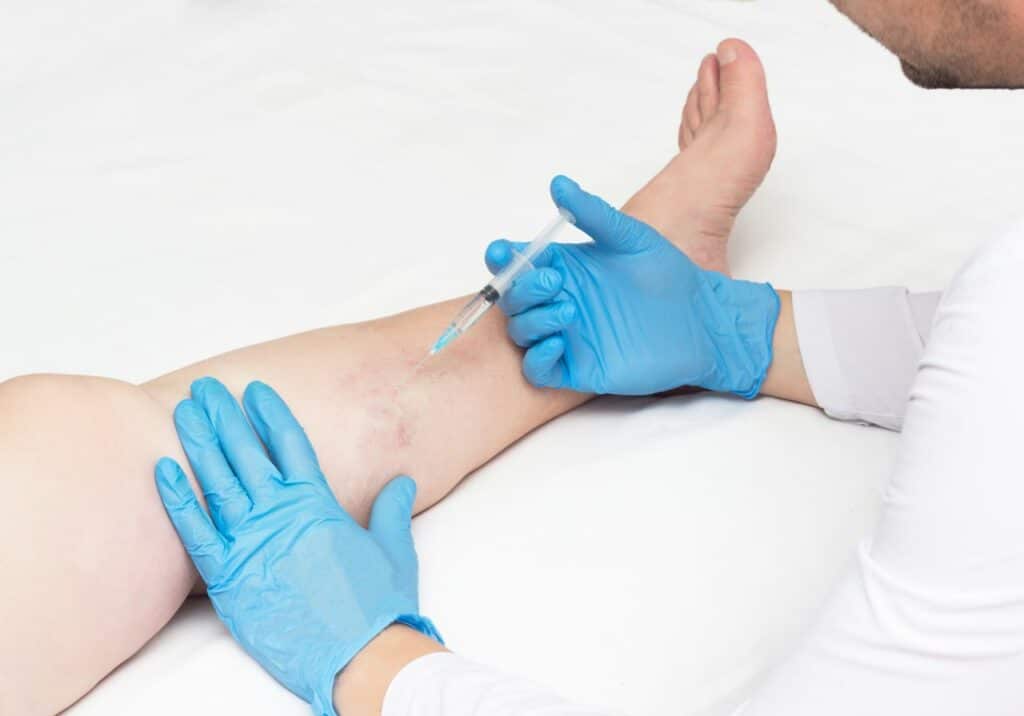
With conditions such as chronic venous insufficiency and varicose veins becoming increasingly common, the demand for procedures that are safe, effective, and efficient has never been higher. Technologies such as endovenous laser ablation (EVLA), radiofrequency ablation (RFA), VenaSeal™ closure system, and sclerotherapy have revolutionized how vein disease is treated, reducing procedural trauma and expediting healing.
Understanding the Benefits of Modern Techniques
The benefits of minimally invasive vein treatments extend well beyond their clinical efficacy. Unlike traditional vein stripping surgeries, these modern procedures are typically performed in outpatient settings, often requiring only local anesthesia. Patients report significantly less post-procedural pain, reduced swelling, and fewer complications.
Furthermore, most treatments are image-guided, enhancing precision and minimizing collateral damage to surrounding tissues. This results in faster recovery periods—in some cases, patients return to work and physical activity within 24 to 48 hours. These advantages are particularly important for those who cannot afford lengthy downtime due to occupational or caregiving responsibilities.
The Role of Patient-Centered Vein Care
Minimally invasive techniques have empowered vein specialists to offer truly personalized care. The Vein Institute of the Desert in Palm Desert exemplifies this modern approach. By integrating diagnostic imaging, thorough medical evaluations, and cutting-edge interventions, they ensure that each patient receives the most appropriate therapy for their condition.
Every patient’s anatomy, lifestyle, and health history are unique, and treatment protocols are adapted accordingly. This attention to individual detail reduces unnecessary interventions and enhances outcomes. Patients are no longer viewed merely as cases of varicose veins or spider veins—they are active participants in a collaborative treatment process.
Are These Procedures Right for Everyone?
While vein treatment options have become more accessible and comfortable, not every case is suited for minimally invasive intervention. Individuals with severe venous ulcers, significant clotting disorders, or deep vein thrombosis may require alternative therapies. That said, a thorough consultation with an experienced vein doctor can determine the most effective course of action based on your medical background.
The Vein Institute of the Desert specializes in assessing both common and complex vein conditions. Their clinicians perform duplex ultrasound evaluations to map out the venous system and identify areas of reflux or obstruction. This detailed imaging ensures that even subtle dysfunctions are addressed.
Long-Term Results and Preventive Care
The effectiveness of minimally invasive procedures is well documented. Many patients experience symptom relief and improved cosmetic outcomes for years following treatment. However, sustaining these results often depends on lifestyle adjustments and periodic follow-ups. Graduated compression therapy, exercise, and weight management remain crucial in preventing recurrence.
Post-treatment care provided by specialized clinics helps reinforce healthy venous function. Monitoring progress through annual check-ups and educating patients on early warning signs of venous disease are now essential components of long-term success. Clinics like The Vein Institute of the Desert emphasize not just intervention, but prevention.
What to Expect From Your Appointment
Patients who seek modern vein treatment options can typically expect a streamlined, low-stress process. After an initial consultation and ultrasound assessment, a tailored plan is developed. Procedures are generally completed in under an hour, with most patients walking out of the clinic shortly afterward.
In most cases, there is no need for general anesthesia or overnight stays. Minimal restrictions are placed on post-procedural movement, and pain management usually involves over-the-counter medications. The simplicity of these procedures makes them particularly appealing to busy individuals and older adults seeking to maintain independence.
The Vein Institute of the Desert
74361 CA-111 Suite 5, Palm Desert, CA 92260
Phone: 760-610-5573
Website: https://theveininstituteofthedesert.com/

Comments are closed.