

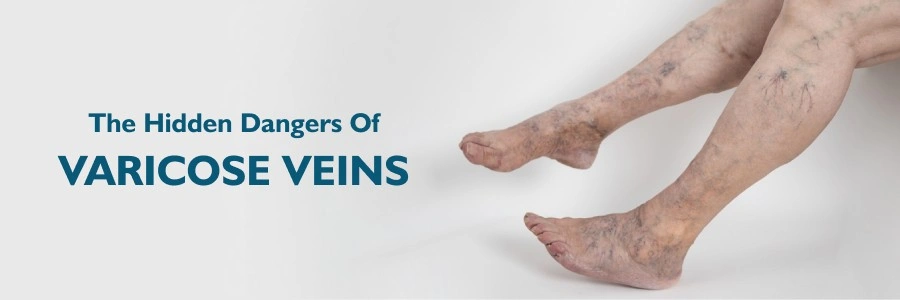
While often dismissed as a cosmetic issue, varicose veins can signal deeper problems in the venous system. These twisted, enlarged veins aren’t just unsightly—they can lead to a range of medical complications if left unaddressed. For many, the consequences develop silently, progressing from occasional discomfort to persistent pain and, in some cases, serious vascular disease.
Understanding the risks of ignoring varicose veins is essential for preventing long-term damage and preserving overall circulatory health.
Discomfort May Be the First Indicator of Underlying Venous Dysfunction
Many people live with aching, throbbing, or a sensation of heaviness in their legs for years, assuming it’s part of aging or fatigue. These symptoms often worsen at the end of the day or after long periods of standing. In many cases, they reflect early signs of chronic venous insufficiency, where blood fails to return efficiently to the heart due to weakened vein valves.
The presence of varicose veins often corresponds with these sensations. When blood pools instead of flowing upward, pressure builds, tissues swell, and discomfort escalates. While compression stockings may temporarily relieve symptoms, they do not treat the root cause.
Skin Changes Around the Ankles and Lower Legs Can Develop Quietly
Prolonged venous hypertension leads to inflammation in the surrounding tissues. This can alter the appearance and texture of the skin, especially in the lower legs and ankles. Over time, the skin may darken, become dry or scaly, and start to itch. These early signs of venous eczema may go unnoticed or be mistaken for unrelated dermatologic issues.
As the condition advances, skin may grow thinner, more fragile, and more vulnerable to external trauma. Even minor scrapes or insect bites can develop into slow-healing wounds.
Venous Ulcers: A Severe Consequence of Chronic Neglect
Among the most serious outcomes of long-term untreated varicose veins are venous leg ulcers. These painful, open wounds typically form near the ankles where blood pressure is highest in the superficial veins. Ulcers are notoriously resistant to healing, particularly in individuals with additional circulatory or metabolic conditions.
Without intervention, ulcers can persist for months or even years, significantly reducing mobility and quality of life. Managing them often requires daily wound care, compression therapy, and consistent medical oversight.
Clot Formation and Thrombophlebitis: Silent but Serious Threats
When blood flow slows due to malfunctioning veins, the risk of clot formation increases. Superficial thrombophlebitis, involving veins just under the skin, may present with pain, redness, and swelling. While generally not life-threatening, it may recur or extend into deeper veins.
More serious is deep vein thrombosis (DVT), where clots form in the larger, deeper veins of the leg. If left undiagnosed or untreated, part of the clot can break free and travel to the lungs, causing a pulmonary embolism—a life-threatening emergency.
These complications often arise in those who delay medical evaluation of persistent vein symptoms.
Why Early Evaluation Matters in Preventing Complications
Timely assessment of varicose veins can reveal the severity of underlying venous reflux. Using diagnostic imaging like duplex ultrasound, specialists assess blood flow patterns and determine whether deeper vein systems are involved.
In many cases, early treatment prevents progression and avoids the complications described above. Addressing venous insufficiency before skin or tissue damage occurs typically results in better outcomes and faster recovery.
Evidence-based interventions like thermal ablation or sclerotherapy can reduce venous pressure, improve circulation, and relieve symptoms before they advance.
The Role of Evidence-Based Treatment in Long-Term Health
A range of varicose vein treatment options exists to address different stages and severities of the disease. These include conservative measures like compression therapy and minimally invasive procedures that close off damaged veins to reroute blood into healthy vessels.
These therapies are not purely cosmetic—they aim to prevent long-term tissue damage, lower the risk of clot formation, and preserve venous function.
A proper treatment plan begins with a structured evaluation by qualified medical professionals. If you’re experiencing persistent symptoms or visible signs of venous disease, it’s recommended to pursue a full vein consultation.
Contact Information for Specialized Venous Care in Downey
For those seeking professional diagnosis and management of venous conditions in the Downey area, Vein & Wound Institute offers comprehensive vascular evaluation and treatment services.
Address:
11525 Brookshire Ave, Suite 402
Downey, CA 90241
🌐 https://veinandwound.com

Comments are closed.